
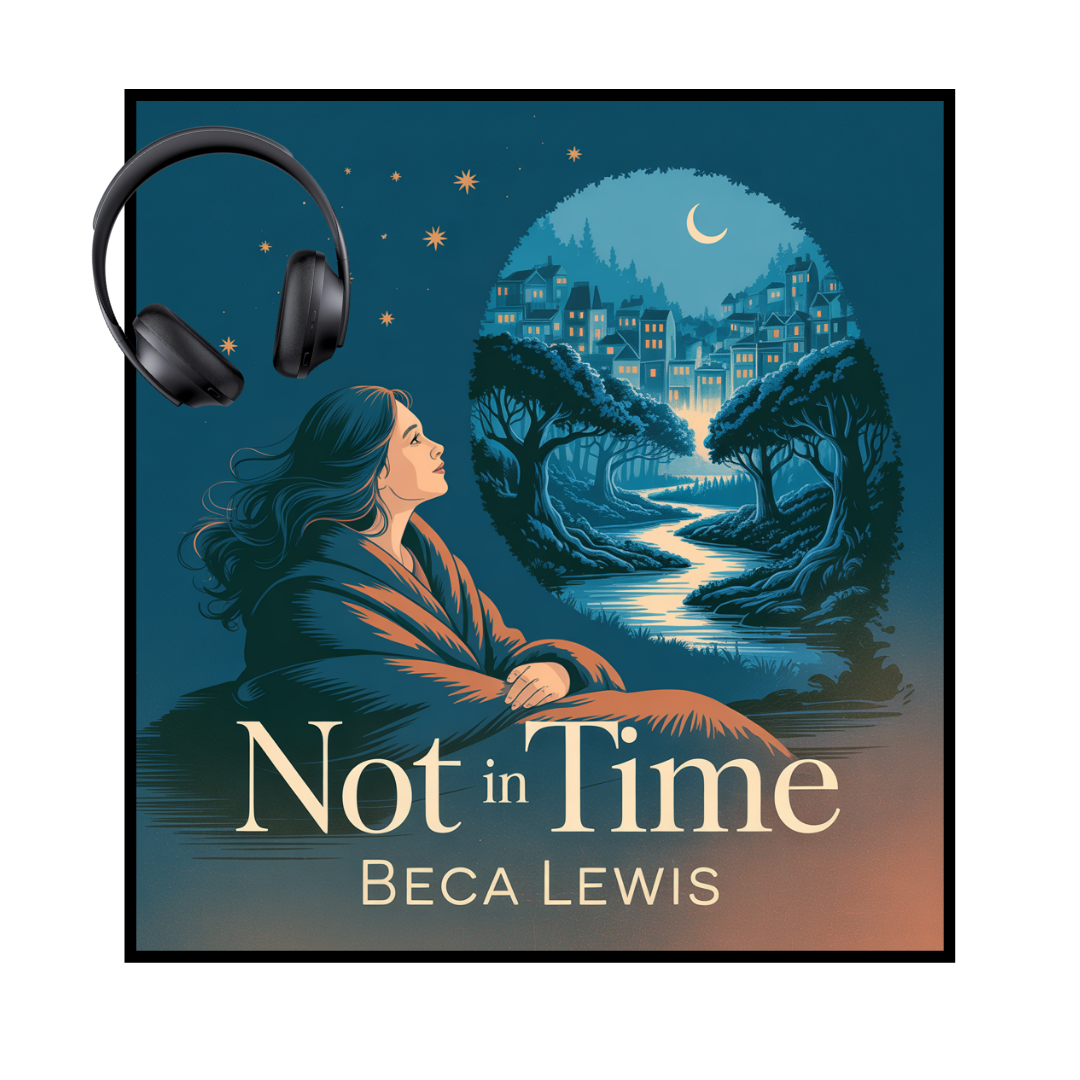
Not In Time - Audio
Short Story / Magical Realism / Womens Literature / Visionary Fiction
Available in other formats:
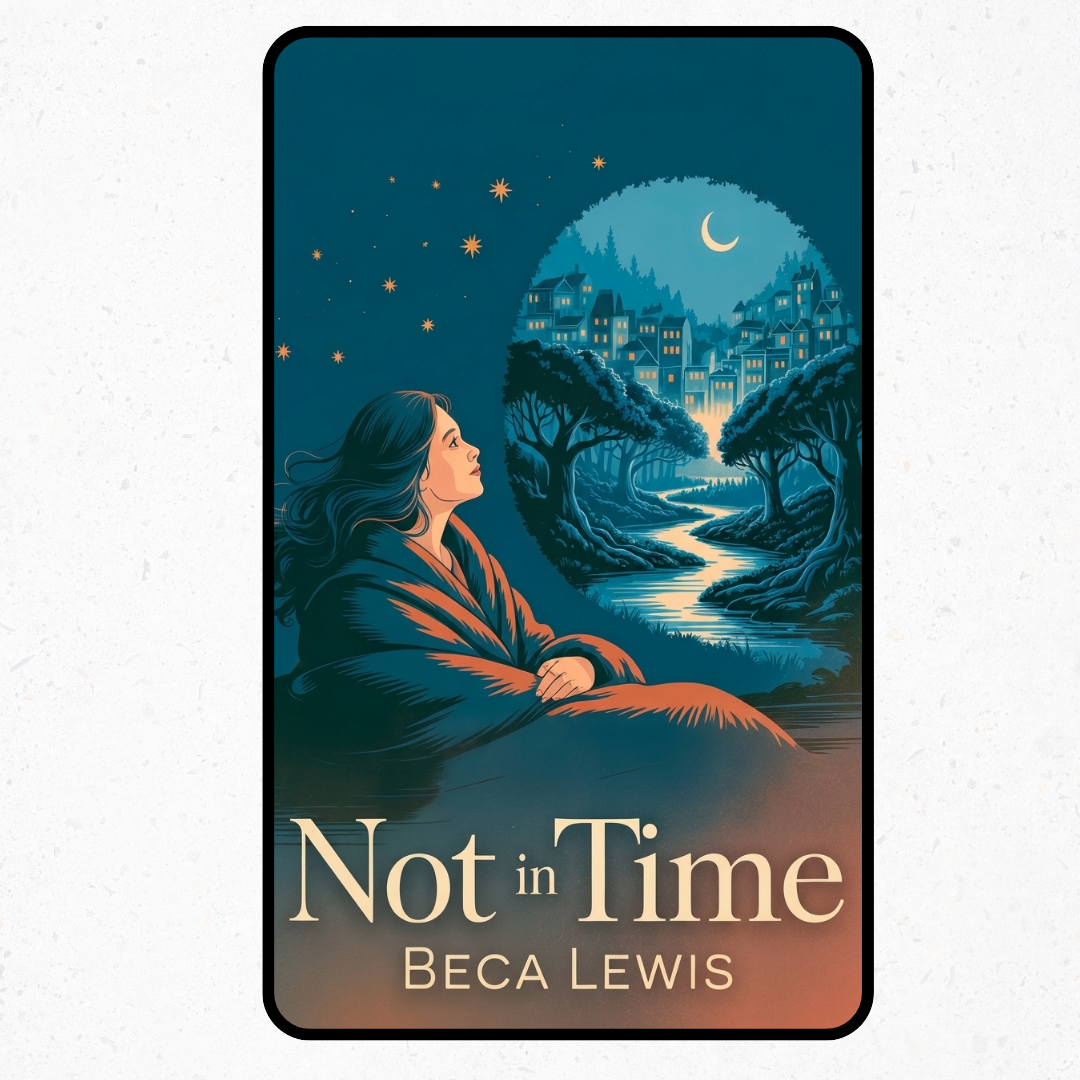
EbookWhat if you could see the past — not as memory, but as something alive beneath your feet?
Moon Castillo has hidden her impossible gift for thirty years. She sees what used to be, layered over what is — ancient waterways, vanished forests, people who walked this land centuries ago.
She's told no one. She's built a careful, logical life to keep it buried.
But when a failing dam, missing records, and a seventy-year-old cover-up threaten her town, the visions she's spent a lifetime denying become the only path to the truth.
With the help of Estelle Lightfoot, a Mohican elder who has been waiting for someone exactly like her, Moon must do the one thing that terrifies her most — trust what she sees.
The past isn't behind her. It's beneath her feet.
Not in Time: A Visionary Story of Liquid Time is the fourth book in The Visible and The Invisible series.
It's very easy!
When you buy an ebook from me, it will be delivered instantly in a separate email from BookFunnel. Look out for an email titled "Here's {book title} by Beca Lewis". Don't forget to check your spam.
You can download the book onto whichever device you like to use, whether that's a Kindle, Kobo, your phone, or computer.
If you have any problems at all with downloading or viewing your ebook, the folk at BookFunnel will be able to help you - just click on the help link in the email they send.
Feel free to dive into your new eBook using any ereader you like—Amazon, Kobo, Nook, you name it.
Prefer your tablet, phone, or computer? That works too!
Plus, for an even smoother experience, you can read it using the free Bookfunnel app. Happy reading!
Number of Pages: 78
Audiobook listening time:
Two Hours
Genre:
Language:
Target Audience:
I love this story. Moon Castillo shows true courage when she acts on the visions that are overwhelming her despite believing much of her life that she might be crazy. Meeting the Mohican woman, Estelle, makes her realize the full magnitude of her gift and the reason she doesn't like the developer pushing for going forward without an assessment of the dam. This story highlights the need to be open to the messages the living world sends us and being brave enough to act on them even when you don't fully understand them. Highly recommended.
What I love about this whole series (The Visible and the Invisible won't let me review it yet) is how real the stories are. Maybe the characters are from Beca's imagination, but what they are experiencing? I think the world has to agree at this point that there is too much evidence to support all these gifts to deny that there is MUCH more to the world than we can experience with our five senses. And to use these gifts to actually help those who need it? Yep. I'm in for all of that.
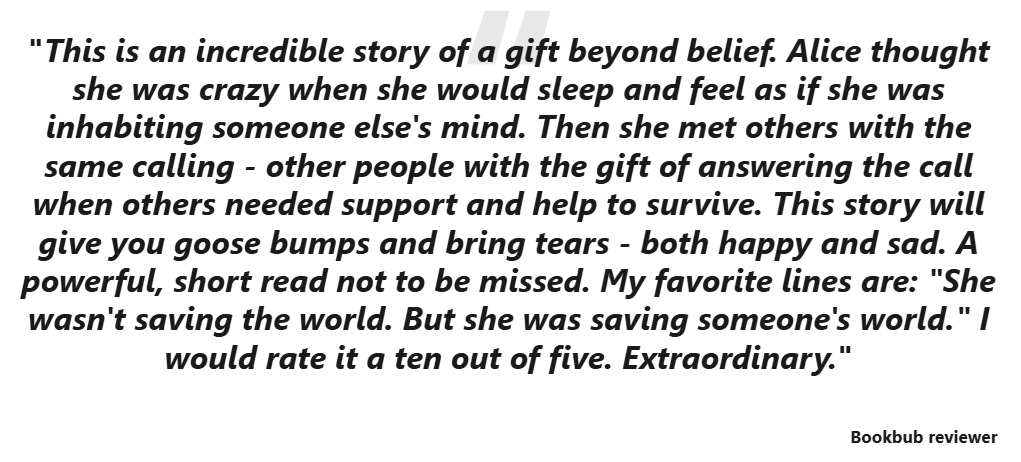
This is an incredible story of a gift beyond belief. Alice thought she was crazy when she would sleep and feel as if she was inhabiting someone else's mind. Then she met others with the same calling--other people with the gift of answering the call when others needed support and help to survive. This story will give you goose bumps and bring tears--both happy and sad. A powerful, short read not to be missed. My favorite lines are: "She wasn't saving the world. But she was saving someone's world." I would rate it a ten out of five. Extraordinary.
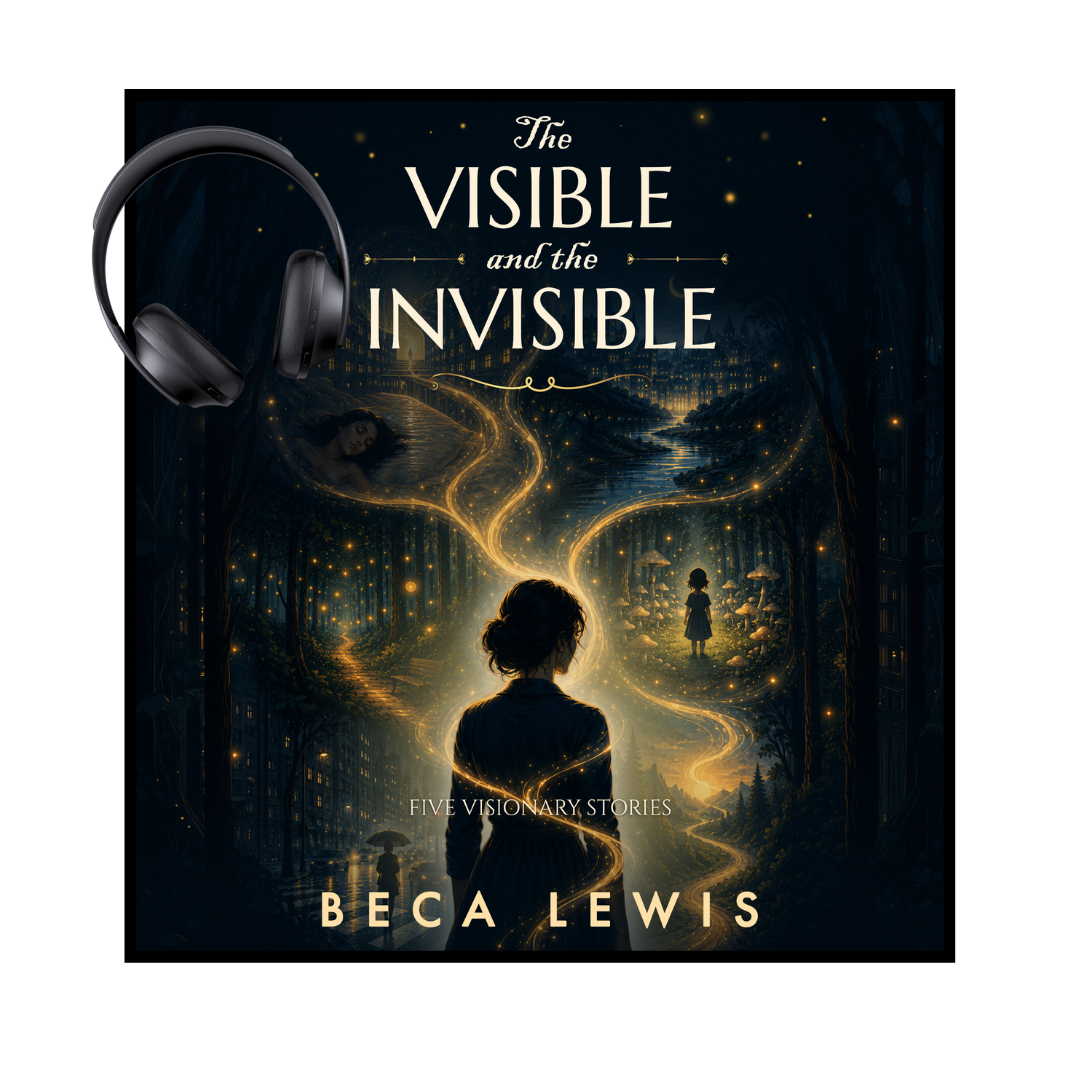
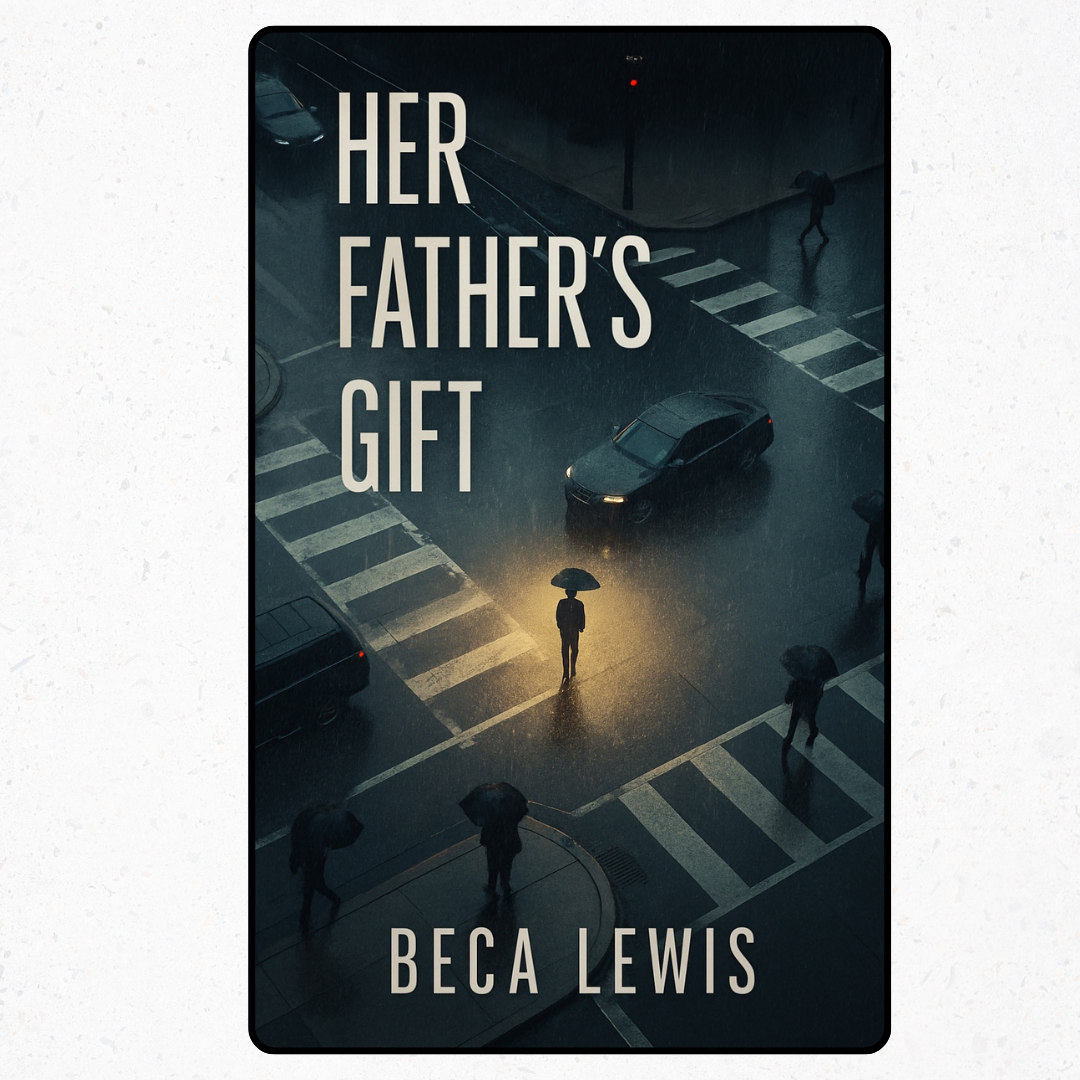
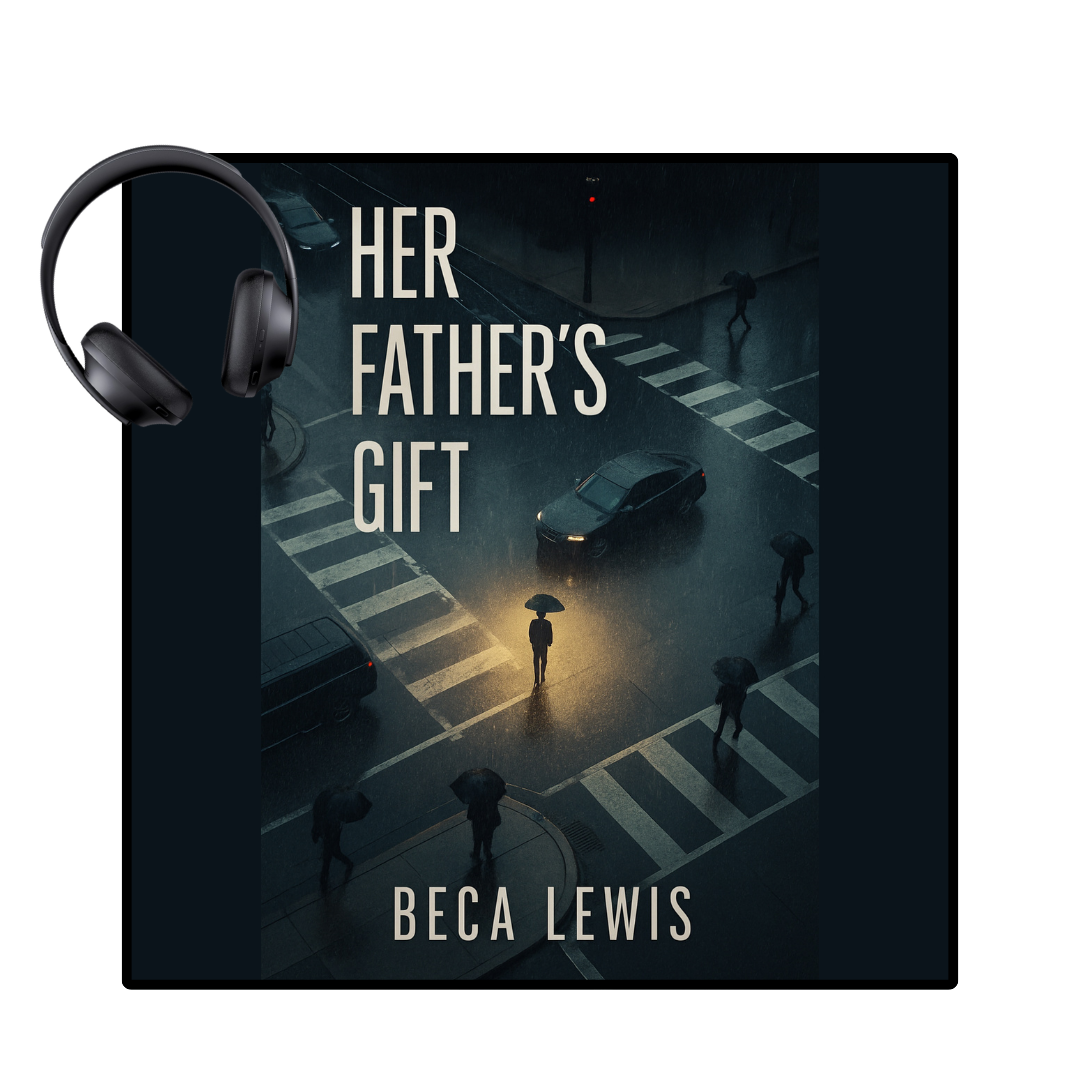
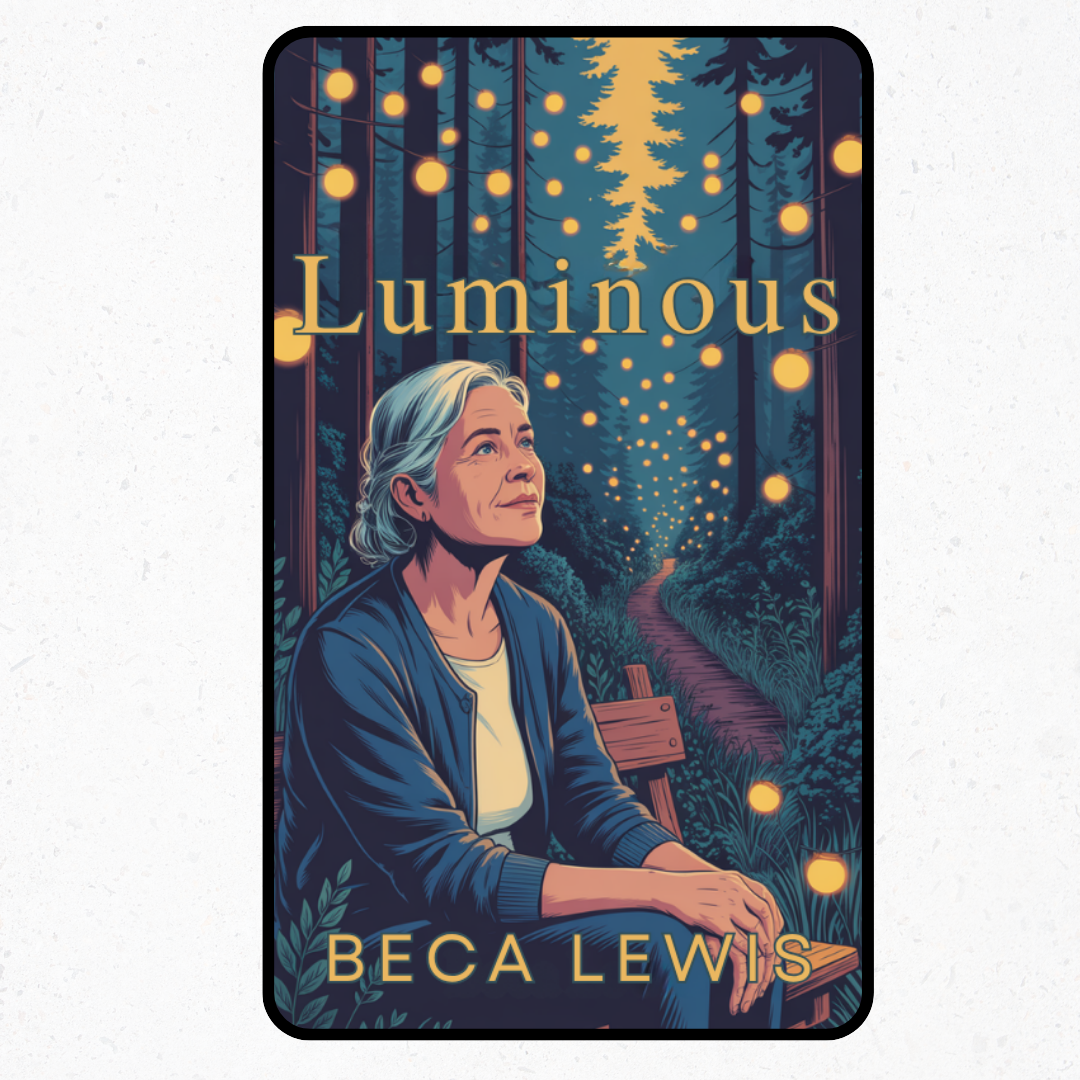
More short stories by Beca Lewis
A growing collection of perfect one-sitting reads for anyone who loves gentle magic, second chances, and seeing the ordinary world in an entirely new way.
What if reality is more flexible than we’ve been told?
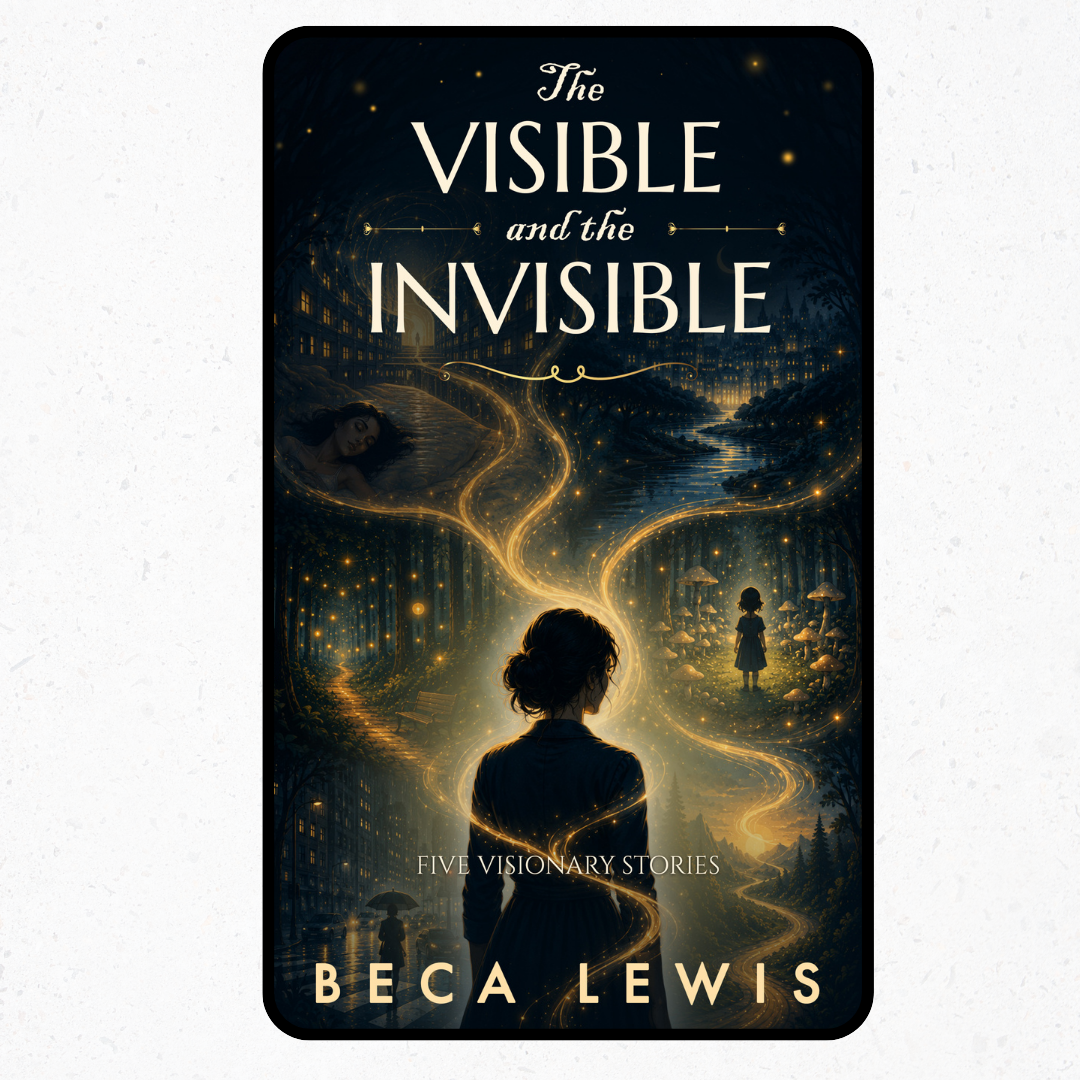
This collection of visionary short stories invites you into lives that look ordinary—until something impossible shows up and changes everything. A woman discovers her father’s strange “gift” was real all along: she can move between the raindrops…and between moments.
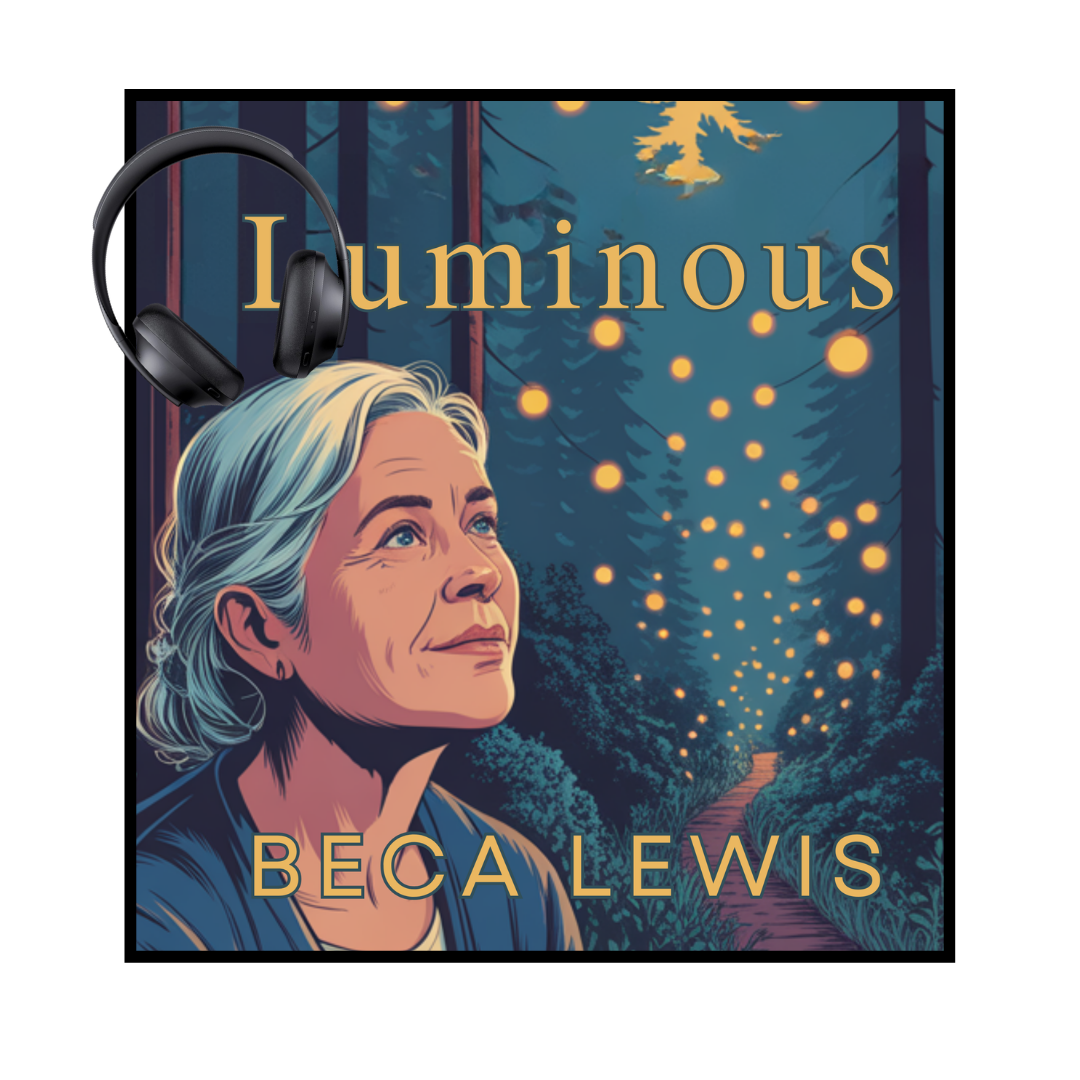
A grieving woman follows luminous lights that appear like breadcrumbs—leading her to a stranger who can see them too, and to a purpose she never expected.
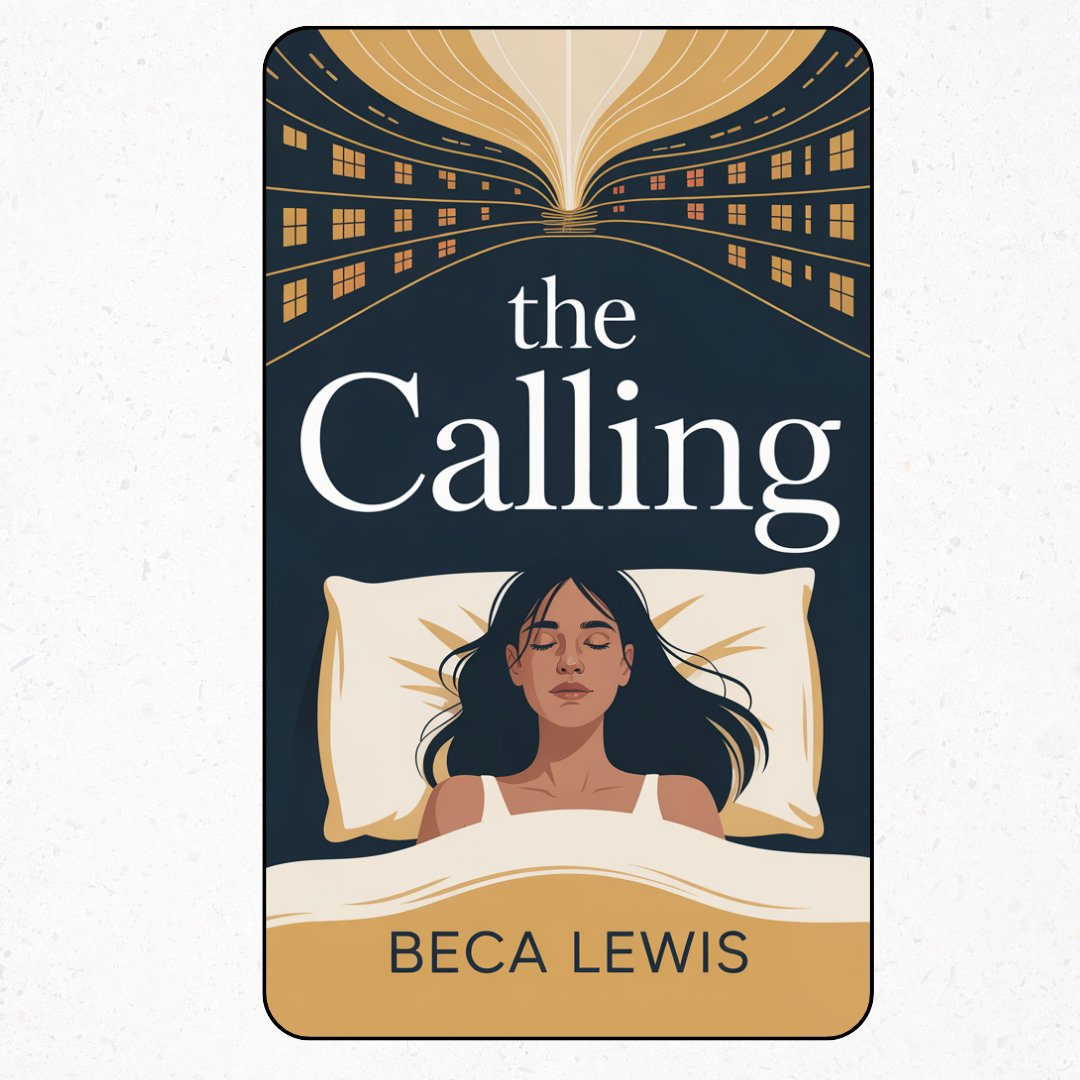
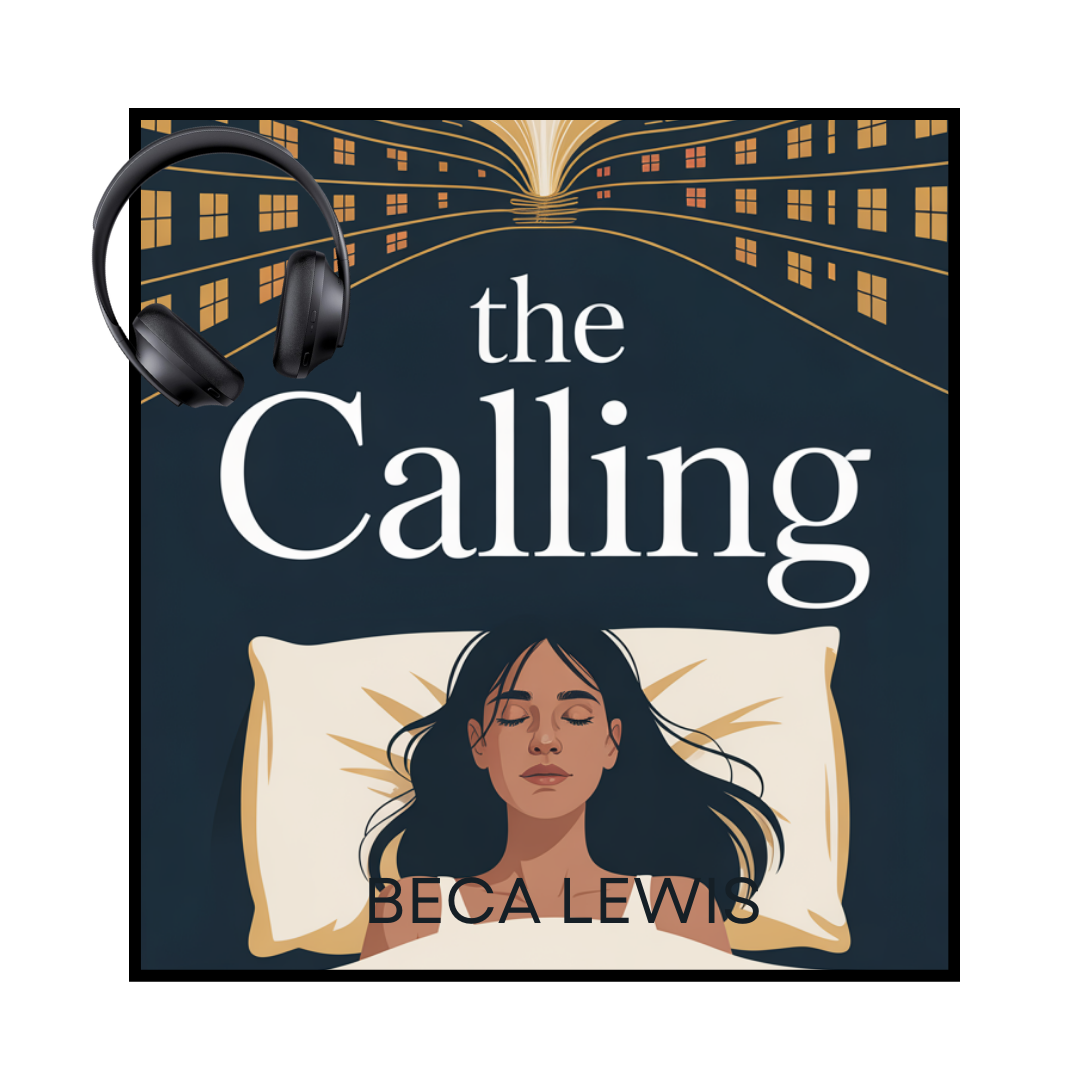
And in a woman who can’t stay awake learns she isn’t broken—she’s part of a hidden network of people who “map” into others at the exact moment they need saving.
These are stories of quiet awe, grief and grace, and the unseen helpers who keep the world from tipping—often without anyone knowing they were there.
✨ Start anywhere. Read in each story in one sitting. Feel it for days.


About The Author
BECA LEWIS thinks the world is not what it looks like, so she spends her time looking for what isn’t always visible. Addicted to reading from childhood, she thought that the worlds she read about were real. Now she asks, who says they are not?
Beca writes and coaches on shifting the story from her home in Ohio, where she lives with her husband and bunches of birds, trees, flowers, and squirrels.
She says they know more than she does about what is real, and what is not.